Sep 11, 2026Mahjong
mahjong origin history
The Origin and Timeless History of Mahjong
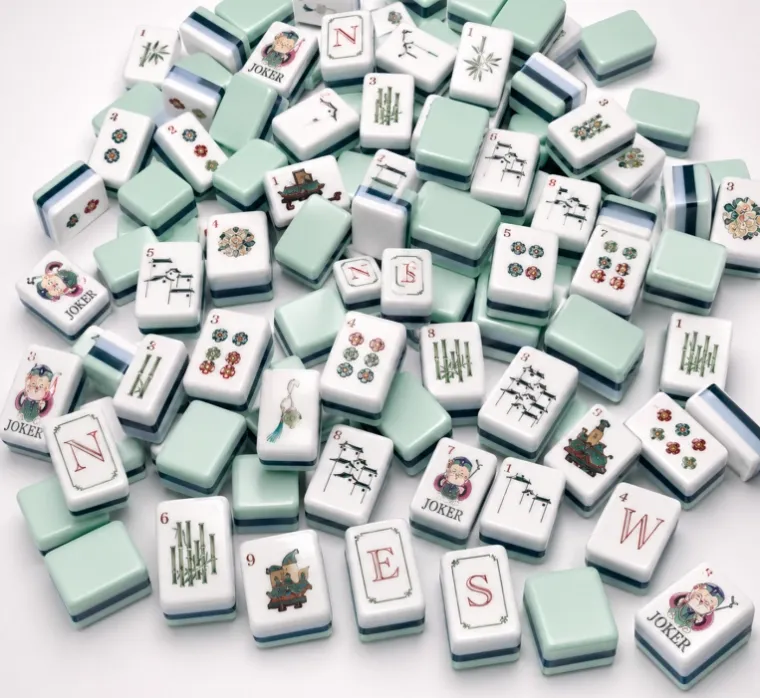
Mahjong is one of the most iconic strategic tile games in the world, celebrated for its unique blend of luck, skill, and social bonding. Contrary to popular legends, modern mahjong is a relatively recent creation with well-documented roots in 19th-century Qing Dynasty China.
Historians trace its official origin to the mid-to-late 1800s, emerging in China’s Yangtze River Delta, including Shanghai, Ningbo, and Nanjing. It evolved from traditional Chinese card and domino games such as Madiao, inheriting classic suit systems and gameplay logic before transforming into the tile-based game we know today. Originally named “Ma Que”, meaning sparrow, the game got its title from the crisp sparrow-like sound of shuffling tiles.
In its early days, mahjong was a popular social pastime among local communities across eastern China. With simple rules and profound strategic depth, it quickly spread nationwide. In the early 20th century, the game was introduced to the West and rapidly gained popularity in the United States. Gradually, it developed exclusive American Mahjong rules, featuring unique Charleston tile exchanges, joker tiles, and annual valid hands, forming an independent and trendy gameplay system.
From a traditional Chinese folk game to a global social activity, mahjong has spanned over two centuries of development. It is no longer just a tabletop game, but a cultural carrier that connects people. Modern designer mahjong sets and premium game mats further integrate fashion and aesthetics into this traditional pastime, making vintage culture shine brightly in modern game nights.